Categories
Uncategorized

Sowing Methods

(April 2026 Newsletter)

Winter sowing, growing seedlings indoors, direct seeding, which method works best for which plants (and for which humans)? Valentine’s day is when I start seriously planting, starting with alliums and parsley indoors as they take forever to grow. But what works best?

Winter sowing is the most hands-off way to grow perennials: throw seeds in a partially covered container outside in the Winter and more or less forget about it until Spring. 

Pros: It’s easy and cheap! And you can grow a lot of plants in a small space outdoors.

Cons: Success is not guaranteed as perennial seeds can be finicky. You do need to remember to open the containers in the Spring or your seedlings will cook!

You can use Winter sowing for any plant, including annuals, if you time it well (see below).

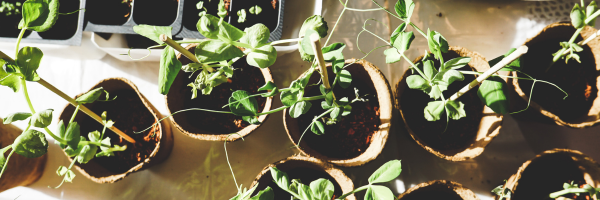
Growing seedlings indoors is the classic way of planting seeds in trays or containers or soil blocks under grow lights or near a south-facing window.

Pros: You mostly control how many plants you will have, and you can monitor them at all times. 

Cons: You need indoor space and a small investment in materials if using grow lights, and you need to stay on top of the watering. Plants can get transplant shock when you transfer them into your garden, which will delay their growth for a week or two.

Direct seeding is simply planting seeds directly in your garden. It is particularly beneficial for plants that don’t withstand transplanting well. Root crops are a top contender.

Pros: No prep work for the human, no transplant shock for the plant.

Cons: Spacing your seeds requires some guess work, and you may need to thin your seedlings later, which means you need more seeds than if you grew them indoors. Timing is crucial: your seeds will not start growing until the soil has reached an adequate temperature so plan accordingly. (Using a movable cold frame will buy you a few weeks.) Weeds will want to grow at the same time as your babies, so you will need to manage them.

Of course these methods can be combined: Winter sow perennial flowers; transplant indoor-grown tomatoes into a bed of direct-seeded greens. Play with the different ways, as well as with interplanting, succession planting, and companion planting. Happy growing!

More on Winter sowing:

5 DIY Tips ; All the Dirt on Winter Sowing ; Beginner Seed Starting

Categories
Uncategorized

Phenology

By Joan Hoeckele (March 2026 Newsletter)

What is Phenology? It is observing and studying seasonal events and their correlation to the life of animals, plants, and insects. Plants can predict, through their life cycle, reoccurring events in nature. The secret is temperature and the length of daylight.

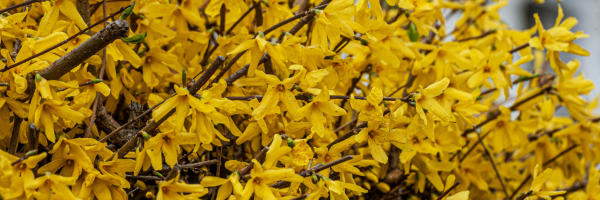
Farmers and gardeners used to watch the calendar to time their plantings. Climate change has rendered this method unreliable. Instead, we can take cues from Nature. For example, it is safe to plant peas, onion sets, and lettuce when forsythias are in bloom. Bush beans and cucumbers can go in when apple blossoms fall.

I need to give a thank you to Stephan Albert for the information on this subject. You can go to his web site: Harvest to Table Vegetable Crop Planting and Phenology for more complete information.

Let Nature be your guide this Spring!

Categories
Uncategorized

Biodynamic Gardening

By Joan Hoeckele (January 2026 Newsletter)

There was a response to declining soil health, and that being the first modern organic regenerative agricultural movement, starting in 1924. Following a series of lectures by Rudolf Steiner it was formulated by Bill Mollison and David Holmgreen. Biodynamic gardening focus is on enhancing the energetic quality and nutritional value of food. One area is on compost preparation. Herbal preparations like Yarrow, Chamomile, Dandelion, Stinging Nettle, Oak Bark., and Valerian can be added to vitalize the compost. I might add a note here that the most efficient farming method isn’t one single technique but a blend of technologies and practices. A healthy climate starts with healthy soil.

To learn more about biodynamic gardening philosophy, principles and practices, visit the biodynamic farming and gardening’s website.

Categories
Uncategorized

Digging and Storing Bulbs, Tubers, and Corms Through the Winter

By Laetitia Won

After the first frost, cut off the brown foliage and dig up your bulbs, labeling each one if you’re growing different varieties and want to keep track. Let them dry for a few days, and carefully brush off most of the dirt. Corms such as Calla Lily, Freesia and Gladiolus need to dry for a few weeks. Look up the adequate timing for your specific variety. 

Dahlias offer a choice: store them whole, or divide them. If you divide them, make sure that each tuber has an eye on it (where the sprouts will grow) or it will not be viable. Also make sure that your shears or knife are disinfected between plants.

Then store the bulbs in peat moss, sand, or vermiculite, at 40-50℉ and 80-90% humidity in a plastic, wood, or paper container, with newspaper or straw between the layers so that the bulbs don’t touch. Check every few weeks for rot or excessive dryness and adjust the conditions accordingly. Rotted bulbs should be discarded, but dry shriveled bulbs could come back to life in the Spring. Nature always surprises! 

Categories
Uncategorized

Preparing Your Garden Bends for Winter

By Joan Hoeckele (November 2025 Newsletter)

It is best not to cut your perennials down all the way to the ground in the fall. Cut the old stems to about 12 inches. The remaining stems

will provide visual interest, insulation, and shelter for wildlife. Also, the plants can store energy in their roots if you leave some stems and leaf cover.

This was pointed out by our club’s speaker at the October meeting, Giancarla Kalpas, an expert on pollinators. By doing this you are helping provide crucial shelter for beneficial insects like native bees and butterflies.

Categories
Uncategorized

What do I do with the leaves?

by Laetitia Won (October 2025 Newsletter)

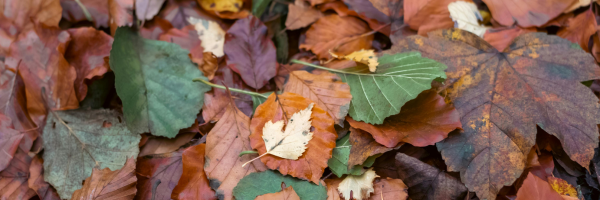
Ah, the sweet-smelling cool Autumn days when trees rain an abundance of wealth onto our yards. Yes, wealth! 

Tree leaves hold a huge amount of minerals that you can harvest into your garden in different ways:

1 – Rake them around your trees. This litter will provide a “soft landing” for all the caterpillars that drop from the branches and form their cocoons in the leaves. Avoid shredding the leaves or you’ll be shredding the cocoons too! 

This litter also provides insulation for ground-nesting insects, and feeds all the life forms in the soil, which in turn feed the trees. Win-win-win!

2 – Mow them along with your lawn and use that as mulch on all your beds.

(I know, I said don’t shred them, but managing our gardens sometimes requires a bit of destruction. Just don’t shred all of them.)

3 – Add them to your compost pile. They are a perfect “brown material”, that precious source of carbon that balances the Nitrogen-rich green stuff.

See more ideas here: Almanac tips for Fall leaves

If you just have way too much to deal with, call our garden club members! I, for one, would be happy to take them off your hands. 

Also remember to thoroughly water your trees (but don’t fertilize) before Winter.

Happy Autumn!